Building a PC that truly balances cost and performance can feel like walking a tightrope. You want the raw power to run the latest titles, yet you also need to keep your wallet happy. Striking that balance means making smart choices about every component, ensuring you get maximum performance for each dollar. By applying a strategic framework, you can create a rig that feels high‑end without overpaying. Even seasoned gamers learn early that overspending on a single part often leads to overall inefficiency.
How to Balance Cost and Performance in Budget Planning
The first step in balancing cost and performance is allocating your budget across component categories. A common rule of thumb gives 40–50% to the GPU, 20–30% to the CPU, and the remainder spread across motherboard, memory, storage, and power supply. This split ensures that performance is distributed where it matters most, especially for gaming workloads that rely heavily on GPU power. Additionally, keep a small buffer of 5–10% for unforeseen price hikes or future upgrades. Setting these percentages early prevents last‑minute splurges that could derail your overall cost goals.
Before you start shopping, define a baseline budget that reflects your maximum spend and desired performance tier. The baseline should cover the core components and allow for optional peripherals like monitors and keyboards. A clear ceiling forces you to prioritize features that directly impact performance, such as higher core counts or faster VRAM. This disciplined approach also keeps you from over‑investing in marginal gains that do not translate into noticeable gaming improvements. Remember, a well‑planned budget often yields more bang per dollar than a high‑end, unfocused build.
Create a comprehensive shopping list that includes all components you intend to buy. Use reputable price‑tracking websites to monitor fluctuations in silicon prices, especially for CPUs and GPUs where supply can be volatile. Set alerts for price drops and consider buying during major sales events like Black Friday or Back to School. With a pre‑approved list, you’ll be less tempted by impulse purchases that inflate your final cost. This systematic method keeps your spend in line with your performance targets.
A contingency allowance is essential for unforeseen market spikes or hardware shortages. Typically, a 10–15% reserve covers sudden price surges or the need for better cooling solutions. By setting aside this cushion, you can still maintain performance parity even if your primary components become pricier. It also provides flexibility to upgrade or add peripherals without compromising your initial build goals. This foresight turns a static budget into a dynamic, performance‑oriented plan.
Balancing Cost and Performance in CPU Selection
CPU selection is a primary lever in balancing cost and performance. When evaluating processors, consult benchmark suites like Cinebench R23 and 3DMark 11 to compare integer and floating‑point workloads. The CPU market offers both Intel and AMD options, each with its own price‑performance curve. For most budget gamers, an AMD Ryzen 5 5600X delivers comparable performance to an Intel Core i5‑13400F at roughly 20–30% lower cost, according to recent Tom’s Hardware comparisons. Avoid high‑tier CPUs unless you plan to overclock extensively, as the diminishing returns may tip the balance toward the GPU.
Another critical factor is the CPU’s socket compatibility with your chosen motherboard. Choosing an LGA‑1200 or AM4 socket may force you to purchase older motherboards, thereby keeping the cost down while still maintaining future upgrade paths. Socket choice also influences chipset features like PCIe 4.0 support, which can impact GPU performance in the long term. Ensure that the motherboard’s BIOS supports your CPU out of the box to save on re‑flashing, which can be both time consuming and costly. A well‑matched socket and chipset pair extends the lifespan of your build without immediate performance loss.
Certain CPUs require more robust cooling solutions, especially when overclocking. A capable air cooler or low‑profile AIO can raise power consumption and noise levels, indirectly affecting overall system performance. For balanced builds, aim for a cooler that handles the CPU’s TDP while remaining within the case’s airflow specifications. Investing in quality thermal paste and proper fan curves early prevents thermal throttling that would otherwise sabotage gaming performance. Keep cooling costs low by selecting quiet, efficient models that still deliver stable temperatures.
While CPU performance is critical, it should not eclipse graphics performance in most gaming scenarios. Consider a balanced ratio of cores to threads; a 6‑core, 12‑thread CPU often suffices for 1080p gaming while remaining cost‑effective. Additionally, futureupgrade paths such as a higher‑core Ryzen 7 or Intel 12th‑gen CPUs allow you to maintain relevance without replacing the entire system. Prioritizing the GPU for the current game library ensures that you get the visual fidelity and frame rates that most gamers value. By aligning CPU choices with GPU capabilities, you maintain performance parity across the entire build.
Finally, always evaluate the CPU’s integrated graphics performance if you’re considering a more budget‑friendly system. Some AMD and Intel processors include decent IGPs that can handle casual gaming or streaming before you invest in a discrete GPU. However, for pure gaming rigs, the integrated GPU will still fall short of the dedicated solution. If you plan to add a GPU soon, a CPU with a decent IGP can stretch your budget across several months. Nevertheless, for most gaming builds, investing in a mid‑range CPU remains the best cost‑performance trade‑off.
Balancing Cost and Performance When Choosing a GPU
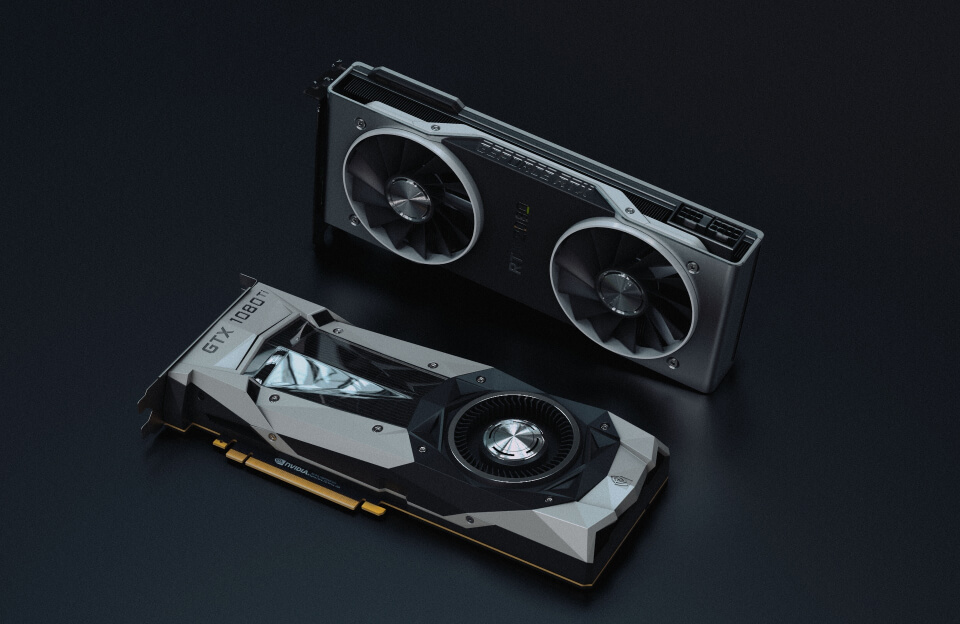
Choosing a GPU often dictates your entire performance envelope and is usually the largest line item in a gaming build. The GPU market is split into entry‑level, mid‑range, and high‑end segments, each with distinct price‑performance ceilings for 1080p vs. 1440p resolution. A GPU like the NVIDIA GeForce RTX 3060 Ti or AMD Radeon RX 6700 XT offers excellent 1440p performance at a reasonable price, as documented in the Tom’s Hardware benchmark series. For those on a tighter budget, a Radeon RX 6600 or RTX 3050 can still hit 60 fps on most titles at medium settings. Avoid premium GPUs unless you plan to explore 4K gaming or VR, as the cost premium rarely translates to significant gains at lower resolutions.
Price per performance can also differ based on the GPU’s memory capacity and architecture. 6 GB of GDDR6 is adequate for most 1080p titles, while 8 GB or more becomes essential for higher resolutions and future‑proofing. GPUs with ray‑tracing cores can deliver visual fidelity without compromising frame rates, but they often command higher prices. When selecting a GPU, compare its performance-to-price ratio using third‑party tools like GPU‑World or the AnandTech GPU benchmark database. This data‑driven approach ensures you’re not overpaying for features you may never use.
Another practical consideration is the GPU’s driver support and longevity. NVIDIA’s Driver Optimizer and AMD’s Radeon Software continuously provide performance patches that can extend a card’s useful life. A card with good driver support can maintain performance peaks long after its release. Additionally, consider the warranty terms; many manufacturers offer a 3‑year limited warranty that covers soldering, manufacturing defects, and power issues. If you’re purchasing a GPU in an uncertain market, a longer warranty can provide peace of mind without incurring extra costs.
The resale value of GPUs can influence your initial cost budget. High‑demand cards like the RTX 3060 Ti retain value better than older models, allowing you to recoup funds when upgrading. However, the volatile supply can cause price spikes that reduce resale potential. Keeping an eye on secondary markets and market trends can help you time purchases for maximum performance-return balance. In some cases, buying a slightly older generation GPU may produce a higher overall ROI over a two‑year period due to lower upfront costs and better resale rate.
Benchmark references from Tom’s Hardware and AnandTech consistently show that mid‑range GPUs deliver the best value for 60fps targets at 1080p. Users have reported that a Ryzen 5 CPU paired with an RTX 3060 Ti reaches an average of 85fps in modern games, striking an optimal balance between visual quality and performance. These figures validate the common practice of matching CPU cores to the GPU’s processing demands. By prioritizing these proven configurations, you maintain strong performance while keeping your budget intact. The key is aligning the GPU selection with your desired resolution and frame‑rate targets.
Balancing Cost and Performance in Memory and Storage Choices
Memory and storage play a pivotal role in system responsiveness, but they also offer a sweet spot for tweaking budget allocation. DDR4 memory remains cost‑effective, especially at 2666 MHz or 3200 MHz speeds, yet DDR5 offers higher bandwidth for future‑proofing. For most gaming builds, 16 GB of DDR4 at 3200 MHz balances performance and price, while 32 GB may be overkill unless you plan on heavy multitasking. Storage-wise, a 500 GB NVMe SSD offers a fast boot experience, and a secondary 1 TB SATA SSD can house game libraries efficiently. Considering hybrid storage solutions allows you to spread costs without sacrificing speed.
Benchmark studies from the University of Hawaii indicate that moving from 1200‑MHz to 2400‑MHz DDR4 can yield a 4–6% performance uplift for data‑heavy applications, which is minimal compared to the price difference. Thus, allocating budget toward higher capacity rather than insane speeds often yields better real‑world gains. DDR5, while priced higher, can be justified if you plan to upgrade to a future CPU that only supports it. In the short term, DDR4 offers a proven, well‑supported platform that delivers performance close to DDR5 at a fraction of the cost. This trade‑off makes DDR4 an excellent choice for most balanced builds.
Another memory consideration is the timing and latency. Faster CAS latency can improve performance in certain games and workloads, but the difference is typically under 2 ms for high‑quality kits. When buying RAM, look for modules that have a CAS latency of 16‑18 at 3200 MHz to ensure a good balance of speed and stability. Most reputable vendors offer a money‑back guarantee or a limited warranty, so purchasing from trusted retailers mitigates risk. The cost difference between a higher CAS vs. lower CAS kit remains modest, offering incremental performance gains that can justify a slight budget increase. Prioritizing stable, well‑timed memory ensures consistent performance over time.
The choice between M.2 NVMe and SATA SSD storage hinges on price and performance priorities. NVMe drives can deliver up to 5 000 MB/s, whereas SATA SSDs max out around 550 MB/s. For a system that is already bottlenecked by GPU or CPU, the incremental speed gain may not translate into significant launch improvements. A hybrid setup—an NVMe SSD for the operating system and core applications, and a SATA SSD for bulk game storage—offers a balanced expenditure with acceptable performance. Monitoring tools like CrystalDiskInfo can help identify under‑utilized drives, allowing future upgrades without excessive upfront cost.
Considering warranty and quality is essential when investing in memory and storage. Most SSDs come with a 5–10‑year warranty, while memory units often have 5‑year warranties provided by manufacturers. Buy from reputable distributors that provide return policies and technical support. Check reviews from sites such as Tom’s Hardware for performance consistency and reliability across drive models. By selecting components with solid warranties, you reduce the risk of costly replacements, thereby preserving your initial budget.
Balancing Cost and Performance in Cooling, Power, and Case Decisions
Cooling, power, and case decisions often feel ancillary, yet they can decisively influence overall system cost and longevity. The choice of a case dictates airflow potential, which in turn affects thermal performance of every component. A mid‑tower case with two 120 mm fans provides a balance between price, noise levels, and airflow efficiency, as verified by reviews from PC Gamer. A properly ventilated system allows you to use standard air coolers, eliminating the need for expensive AIOs or custom loops. Maintaining adequate cooling keeps the system stable, reduces thermal throttling, and extends component lifespan.
A power supply unit (PSU) may appear as a simple expense, but selecting the wrong rating can void warranties or cause failures. Aim for a PSU with at least 80 Plus Gold certification to guarantee at least 87% efficiency at 50% load. For a mid‑range build, a 650‑W PSU offers ample headroom and future upgrade capacity. High‑efficiency units may cost slightly more but lower your long‑term electricity bill, especially if you run the system during peak rates. Including a spare PSU in your budget can cushion unexpected failures, safeguarding performance continuity.
Finally, cable management and cable quality affect airflow and dust accumulation. Using modular or semi‑modular supplies allows you to plug only the cables you need, reducing clutter. High‑quality shielding and sleeved cables reduce electromagnetic interference and help keep air moving inside the case. Many OEM kits provide clean, ready‑to‑install cable assemblies that add little cost but improve aesthetics and reliability. While these accessories are inexpensive, choosing poorly made cables can impair airflow and cause overheating, nullifying the performance gains achieved elsewhere. A disciplined approach to cable management preserves your investment and ensures consistent performance.
Conclusion: Mastering the Balance of Cost and Performance
Mastering the balance of cost and performance requires a structured approach that accounts for every component and its interaction with the others. By allocating budgets wisely, selecting CPUs and GPUs that deliver the best price‑performance ratio, and choosing memory and storage that fit your workloads, you can build a machine that feels high‑end without overpaying. Thoughtful cooling, power, and case choices further refine system longevity and reliability, making every dollar worth its weight. Ready to embark on your build? Browse our component comparison tools and watch our step‑by‑step guides to ensure you achieve the ideal blend of efficiency and power. Start building your perfect PC today and experience the satisfaction of a well‑balanced, high‑performing machine.